YEAR: 1971Attica Prison Uprising
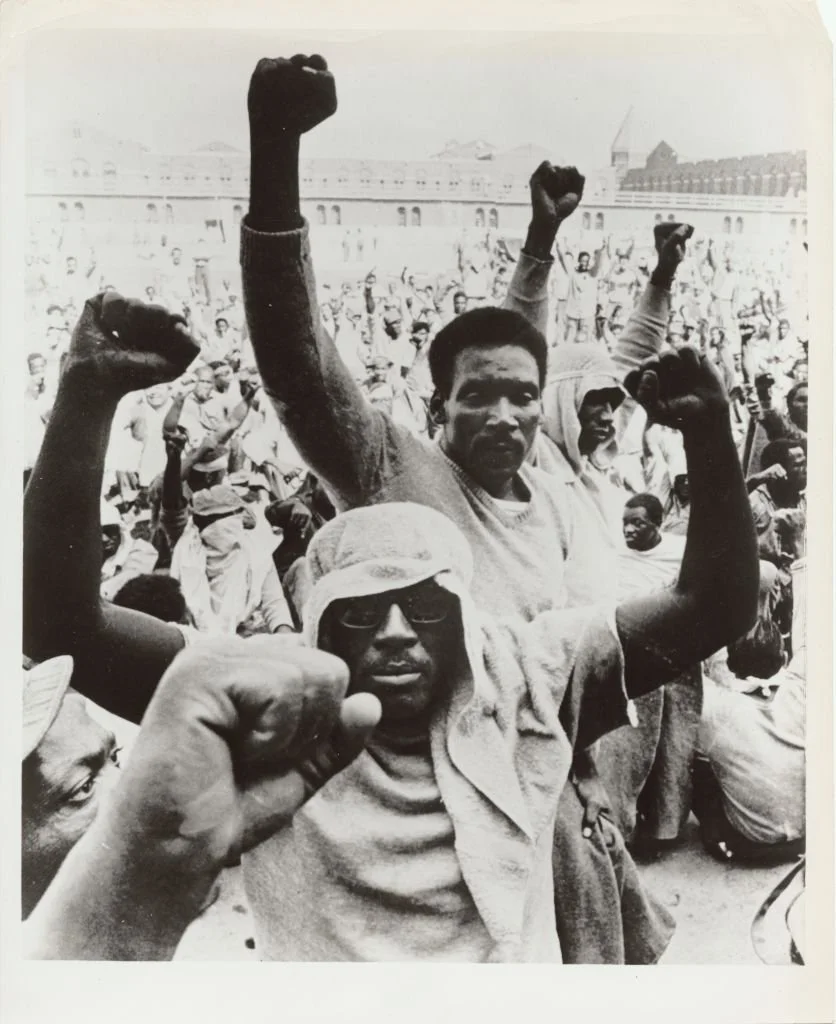
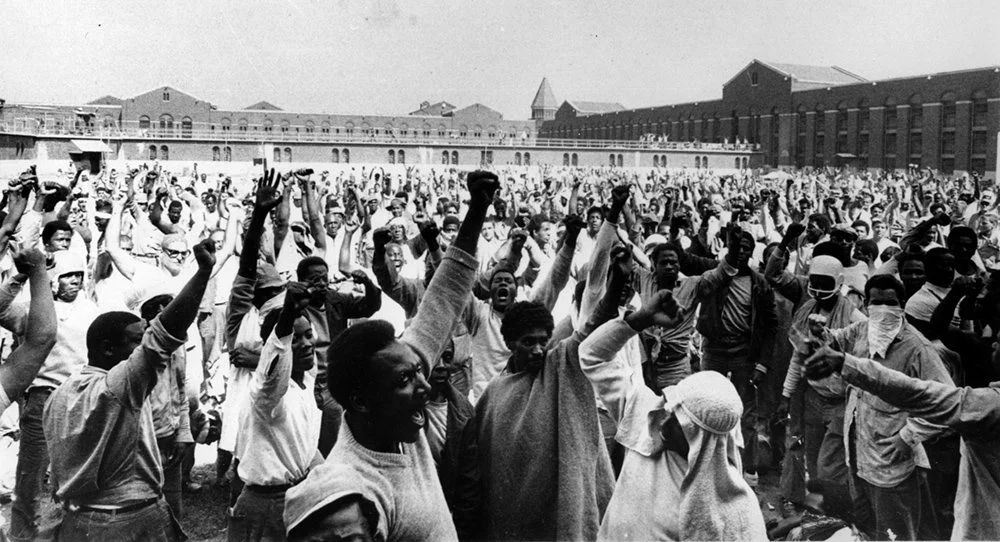
Just two weeks after Black Panther Party leader George Jackson was gunned down by racist guards in California’s San Quentin state prison, almost 1,500 inmates took over the Attica Correctional Facility. Months earlier, the inmates had formally submitted a 27-point manifesto to the prison administration and the media demanding changes in their conditions.
The prison was completely run by white guards and employees, though over 60 percent of inmates were Black and Latino. Prisoners were only allowed one shower per week and one roll of toilet paper each month. Their mail was heavily censored to cut out anything involving prisons and prisoners’ rights. The medical neglect within the facility was criminal. Guards often pitted inmates against each other to incite racial violence.
Prisoners held control over the facility for four days, during which officials conceded to 28 of the prisoners’ demands but rejected calls for the warden’s removal and full amnesty for those incarcerated.
On September 13, 1971, Governor Nelson A. Rockefeller sent state troopers armed with rifles and pistols to retake Attica from the prisoners. The four-day uprising ended in a hail of blood and gunfire that left 39 dead, among them 10 prison staff. Four more had already died earlier during the uprising.
Over 200,000 prisoners all over America took action in solidarity with the Attica prison inmates after the government massacre. Strikes and other actions happened in Walpole, Mass., Leavenworth, Texas, Atlanta, Ga., Terre Haute, Ind., Wayne County, Mich., Alderson, Va., and Comstock and Elmira, N.Y.
With 43 men dead, the vast majority from the violence of state repression, the Attica prison uprising is still the deadliest prison uprising in US history.